Nitrates for Performance
Nitrates for Performance explained:
Athletes are always looking for ways to maximise output and squeeze as much as possible out of race day performances. One supplement that keeps popping up (and for good reason) is nitrates, usually taken as beetroot juice or powder. So, let’s break it down: what nitrates are, when they might help, and how to use them without overcomplicating things.
What are nitrates?
Nitrates are naturally found in vegetables like beetroot, spinach, and rocket. Eating them increases the body’s ability to produce nitric oxide during exercise, which supports blood flow and helps muscles use oxygen more efficiently.
In simple terms: nitrates can improve your exercise efficiency, so a given pace or power output feels slightly easier than it otherwise would.
How nitrates actually work
After you consume them, nitrates are absorbed and converted into nitrite, which circulates in the body as a reserve. As exercise intensity increases, muscles become more oxygen-limited and less efficient. In these conditions, this nitrite can be converted into nitric oxide more readily, which helps reduce the overall cost of the work being done. This is why the effects tend to be most noticeable during harder, more demanding efforts.
Do nitrates actually improve performance?
Research suggests that increasing nitric oxide availability can:
• reduce the oxygen cost of a given pace or power output (4,3)
• improve blood flow to working muscles (1,5,2)
• improve muscle contractile efficiency (4,6,3)
• support high-intensity efforts where oxygen becomes limited (7,8)
The effects aren’t dramatic, but they’re consistent. And in racing, those small margins often matter more than we think.
PURE Nitrate Product:
When choosing a nitrate supplement, the key thing to look for is a clearly stated nitrate dose. The research suggests an effective range is around 300–500 mg of nitrate per serve, which is equivalent to ~5–8 mmol.
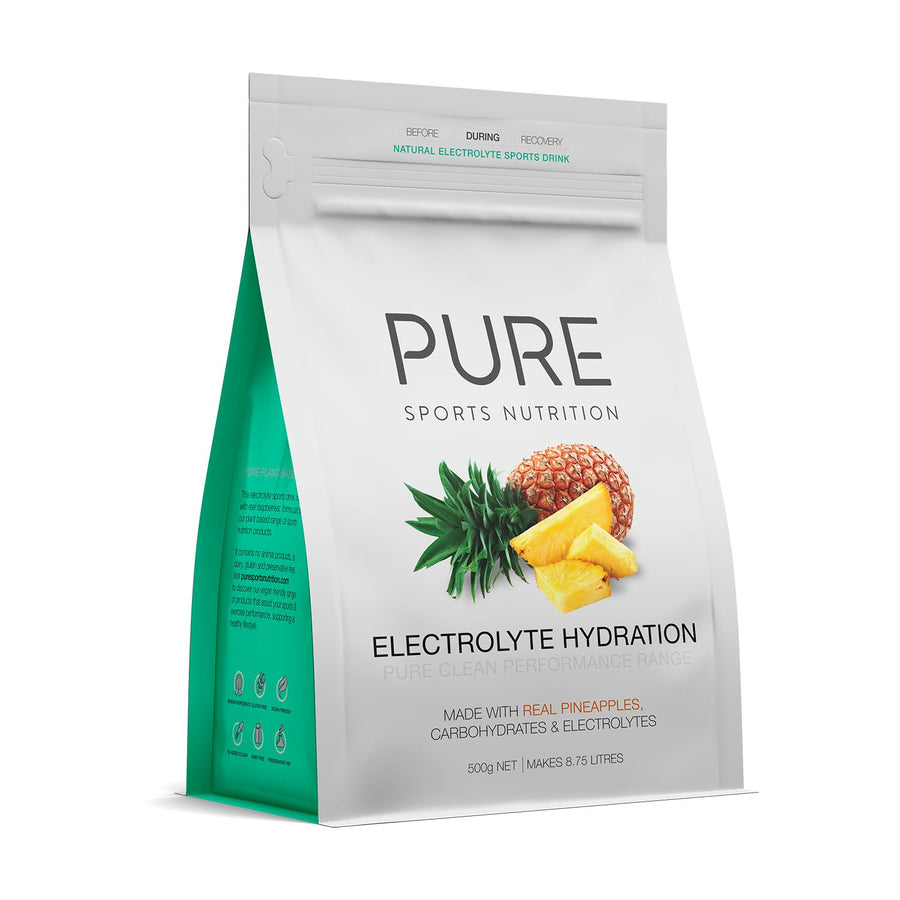
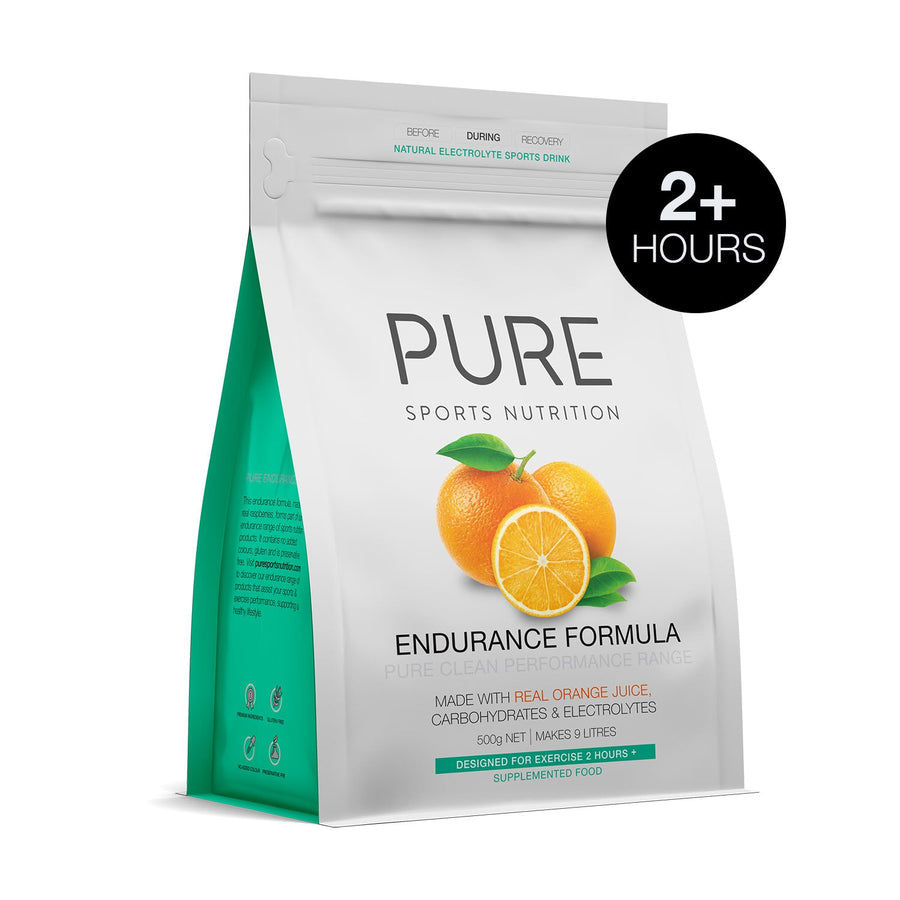
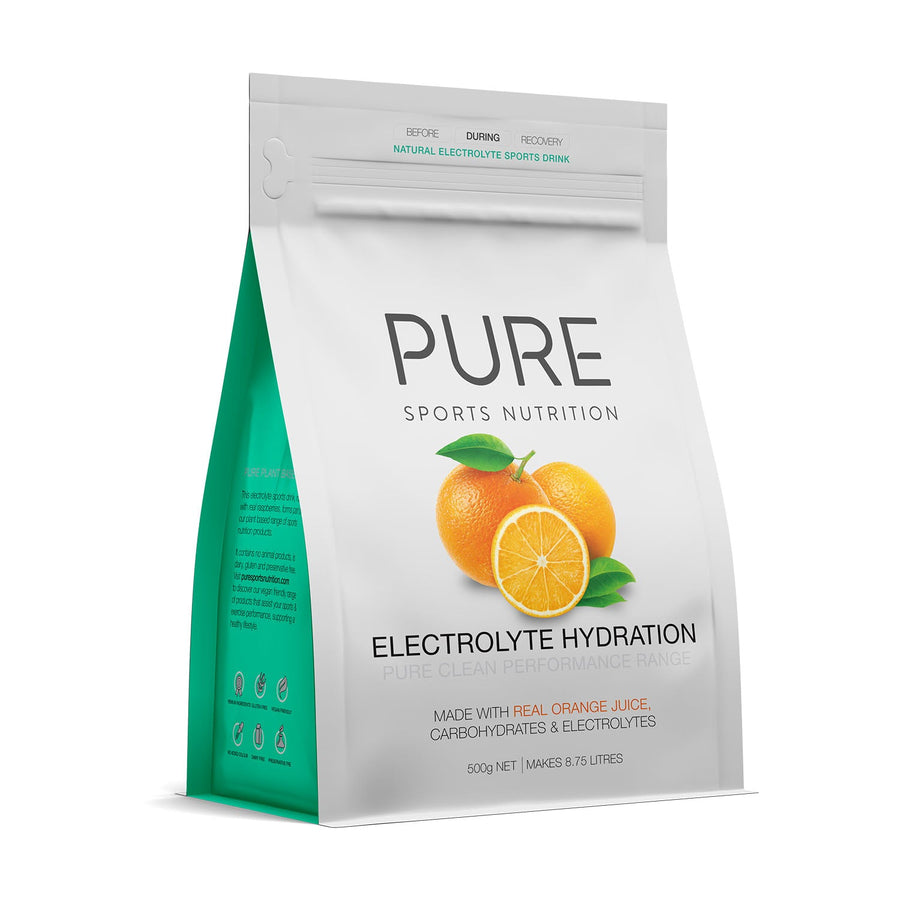
Both PURE Beet Endurance (~6 mmol) and PURE Race Ready Nitrates (~8 mmol) sit comfortably within this evidence-based range.
For events, PURE Race Ready Nitrates are best used as a short loading protocol, usually across the 5 days leading into race day. They’re very straightforward to use, just mix a sachet into 500 mL of water and you’re set.
PURE Beet Endurance can be used in a similar way, also as a five-day loading phase. To use it, mix 30 g of the beet powder with 250 mL of water. If you prefer, the powder can also be added to smoothies, shakes, or mixed into food.
As with any supplement, it’s important to trial these in training before race day. That way, you know how your body responds and there will be no surprises when it matters most.
Who benefits most from nitrates?
Nitrates tend to help most during hard efforts lasting about 5–30 minutes. Think 5k–10k races, hard tempo efforts, or sustained climbs.
They also seem to work best for moderately to well-trained athletes as the benefits are more substantial than elite athletes who are highly conditioned, however in elite sport every small percentage matters and nitrates can help you squeeze just that little bit more out of your body and performance.
How to use nitrates properly
If you’re going to try nitrates, here’s how to do it for maximum benefits
- Dose: Aim for 300–500 mg of nitrates per serving
- Timing: 5 day loading and then take them around 2–3 hours before your event so levels are peaking when you start.
- Loading vs single dose: Results tend to be more consistent when taken for 2–7 days leading into an event, with a final dose on race day.
- Avoid mouthwash: Strong mouthwash, some toothpastes, and antibacterial gum can block the nitrate conversion process.
- Test it first: Responses vary. Try it in key sessions before race day.
Things to be aware of
- You shouldn’t expect a dramatic improvement, but small gains can add up on race day.
- Not everyone responds the same way and some people may experience mild GI discomfort, so to test it out in training before using them for race day.
· Beetroot products can turn urine or stools pink (harmless, but surprising if you’re not expecting it).
My take
Nitrates are a great supporting tool for performance on top of good training, smart fuelling, and proper recovery. If you’re curious, trial them during a few key workouts over the course of a 5-day phase and pay attention to how your body responds.
References
- Australian Institute of Sport. AIS Sports Supplement Framework: Dietary Nitrate / Beetroot Juice. Canberra (AUST): AIS; 2021.
- Lundberg JO, Weitzberg E, Gladwin MT. The nitrate–nitrite–nitric oxide pathway. Nat Rev Drug Discov. 2008;7:156–67.
- Jones AM, Vanhatalo A, Seals DR, et al. Dietary nitrate and nitric oxide metabolism. Med Sci Sports Exerc. 2021;53:280–94.
- Bailey SJ, Winyard P, Vanhatalo A, et al. Dietary nitrate supplementation reduces O₂ cost and enhances tolerance to high-intensity exercise. J Appl Physiol. 2009;107:1144–55.
- Gilligan DM, Panza JA, Kilcoyne CM, et al. Contribution of NO to exercise-induced vasodilation. Circulation. 1994;90:2853–8.
- Stamler JS, Meissner G. Physiology of nitric oxide in skeletal muscle. Physiol Rev. 2001;81:209–37.
- Alsharif NS, Clifford T, Alhebshi A, et al. Nitrate and high-intensity performance: meta-analysis. Antioxidants. 2023;12:1194.
- Poon ETC, Wong C, Chan O, et al. Dietary nitrate and exercise performance: umbrella review. Sports Med. 2025;55(2).
Written by elite distance runner and masters of dietetics student Samanatha Vance Instagram: @samanthavance_
 Back to Sports Nutrition 101