You’re Not a Bad Runner. You Might Just Be Under-Fuelling
If your runs often leave you feeling flat, exhausted or unable to maintain your pace, the problem might not be your fitness. You might simply not be eating enough.
That’s one of the biggest lessons from runner and creator Laylah Kay, who has spent the past few years learning how much nutrition can influence how she feels and performs on the run. (you can follow Laylah on Instagram here @laylahlifts)
As Laylah puts it: “You don't suck at running, you just probably aren't eating enough.”
It’s a simple idea, but one that’s easy for runners to overlook. We often focus on training plans, mileage, pace and recovery, while nutrition becomes something we think about afterwards, or only when we’re preparing for a particularly long event.
But if you want your body to perform, you need to give it enough fuel to do the work.
From half a banana to properly fuelling a run
Laylah knows first-hand how easy it is to underestimate how much food you need.
“When I first started running, I thought half a banana was enough to power me through a 12 kilometer run,” she says.
Over time, her approach has changed significantly. For a longer run, Laylah now starts the day with a substantial breakfast, combining carbohydrates with caffeine.
“If I've got a long run, I'm making myself a Papa Beer sized bowl of oats and a coffee because caffeine and carbs are my dream team.”
The principle is straightforward: start your run with fuel already in the tank rather than expecting your body to somehow produce energy from nothing. And for longer sessions, breakfast is only the beginning.
Watch the full reel to see how Laylah fuels her running

Your run needs fuel too
One of the biggest mistakes runners can make is treating nutrition as something that happens before and after training, rather than something that needs to happen during it.
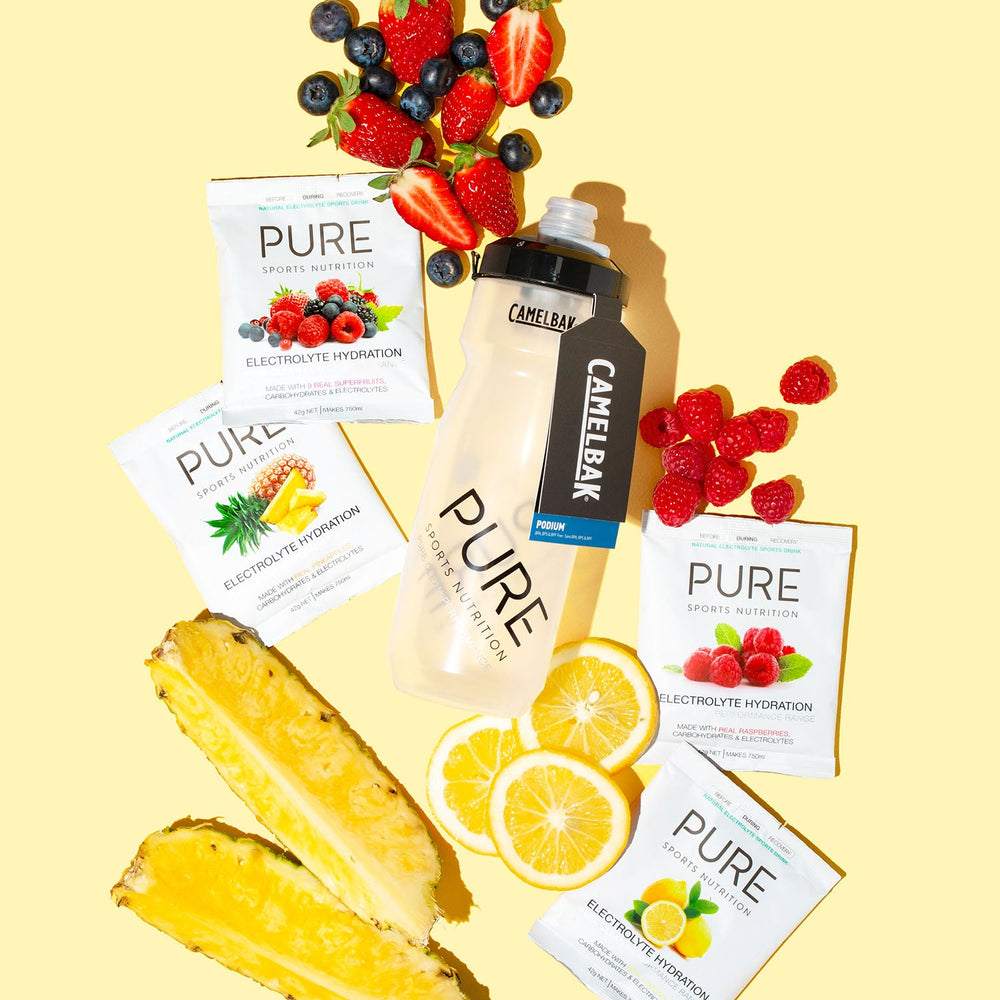
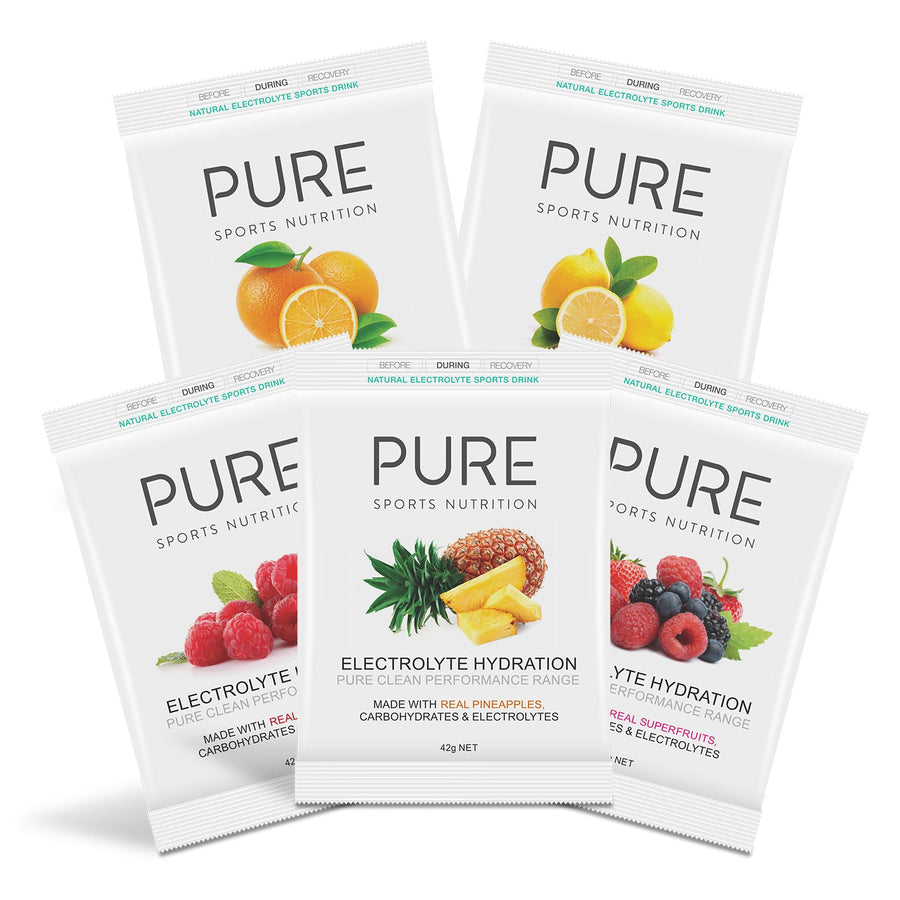
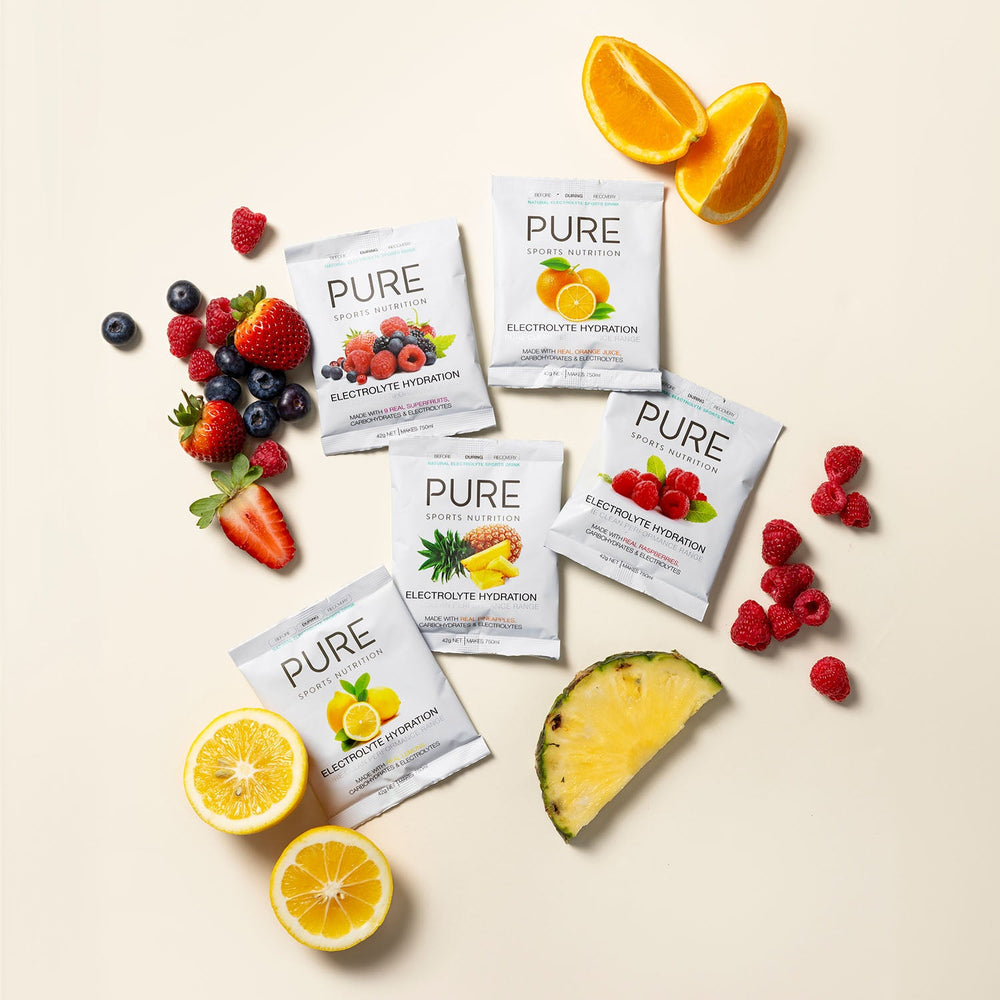
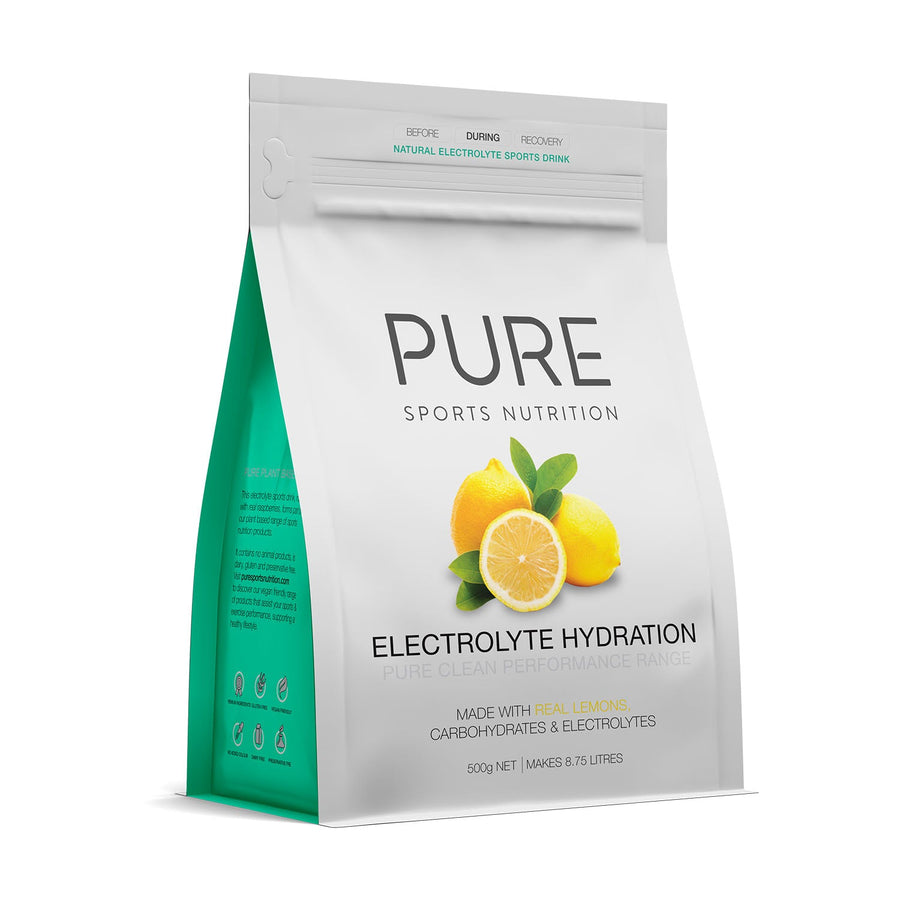
Laylah has found that having easily accessible fuel makes a big difference during longer runs. Laylah's been using PURE Sports Nutrition products for nearly two years, saying: “I've been using PURE Sports Nutrition now for nearly two years, and honestly, I refuse to use anything else post run.”
For longer sessions, gels can provide a convenient source of carbohydrate when you don't want to carry a full meal or stop to eat. But fuelling isn't necessarily about finding one perfect product and sticking rigidly to it. In fact, one of the biggest lessons from Laylah's experience is the importance of having a plan and being prepared to change it.
Have a fuelling plan, but be prepared to adapt
When Laylah took on a particularly long endurance event, she started with a detailed nutrition plan. Her approach was to work out what she needed to consume each hour in order to hit her nutrition targets. But once you're several hours into an endurance event, what looks perfect on paper doesn't always feel perfect in your stomach.
Laylah found that some foods became increasingly difficult to stomach as the event progressed. Nausea made it harder to follow her original plan, so she adapted. “So you've always got to have a little bit of flexibility and a little bit of backup options.”
That might mean changing the type of food you're eating, switching between sweet and savoury options, or simply choosing whatever feels most appealing at the time.
The important point isn't that every runner needs to eat exactly the same foods. It's that your fuelling strategy needs to be flexible enough to work in the real world.
When you can't stomach another gel
Anyone who has spent several hours running knows that appetite can change dramatically. Foods that sounded appealing at the start can become almost impossible to eat later on.
Laylah experienced exactly this during a recent long endurance event. “As we started getting into the evening, I was finding it really difficult to eat anything.”
At that point, having alternative sources of energy became crucial.
A Biscoff-stuffed cookie provided a much-needed change from her usual nutrition, while later she reached for one of PURE Sports Nutrition's Tropical Caffeine Gels. “These are really yummy.”
Laylah says caffeine gels are already a regular part of her race nutrition, so she was particularly excited to have another flavour available. “I use a lot of the caffeine gels for my races.”
This is a great reminder that fuelling doesn't have to be completely rigid. When you're exercising for hours, palatability matters. The best fuelling strategy in the world isn't much use if you can't actually bring yourself to eat it.
Keep your nutrition familiar
Another important lesson from Laylah's experience is that race day isn't the time to completely reinvent your diet. During her endurance event, she relied heavily on foods she already knew she could tolerate.
She describes her approach as: “really just eating a lot of familiar foods, but like a more bland version, I guess.”
That familiarity can be particularly valuable during long training sessions and races, when your digestive system is already under stress.
It's also why practising your fuelling during training is so important. You want to know what you're going to eat, how much you're going to eat and what your stomach is likely to tolerate before you get to race day.
Don't forget about recovery
Fuelling isn't finished when you stop running. Laylah says she makes a point of eating within 30 minutes of finishing her run, even when she doesn't feel particularly hungry.
“I actually sometimes don't have an appetite, which I know is out of character, but I do still make sure to eat within 30 minutes of finishing my run.”
Her post-run approach has also become more balanced, incorporating carbohydrates, protein and fats rather than simply grabbing whatever is easiest. This matters because your body doesn't stop needing fuel just because the run has finished. After training, you're transitioning from performance to recovery and providing your body with adequate nutrition is an important part of that process.
Eat enough to support the training you're doing
Perhaps the biggest takeaway from Laylah's experience is that runners need to think about their overall nutrition, not just what they consume immediately before a run.
For Laylah, eating more isn't about overcomplicating nutrition. It's about matching her food intake to what her body is actually asking it to do and sometimes that means eating a lot more than you might expect.
The bottom line: food is fuel
Whether you're training for your first 10K, building towards a marathon or simply trying to get more out of your weekly long run, nutrition deserves to be part of your training plan.
Start with enough food before you run.
Fuel longer sessions rather than waiting until you're already exhausted.
Have a plan, but don't be afraid to adapt it.
Use foods and products you've practised with before.
And remember that recovery nutrition is just as important as what you consume during the run.
After completing her long endurance event, despite having to adapt her original fuelling strategy, Laylah finished without digestive issues and without feeling like she had run out of energy.
Her final message sums it up perfectly: “So this is your reminder that food is fuel and your body cannot run on empty.”
Your training is only part of the equation. If you want your body to perform, give it the fuel it needs to get the job done.
Ready to fuel your next run?
Explore the PURE Sports Nutrition range of Energy Gels, Electrolytes and performance nutrition and find the products that work for your training and racing.
 Back to Sports Nutrition 101